

remote controlled frosted glass
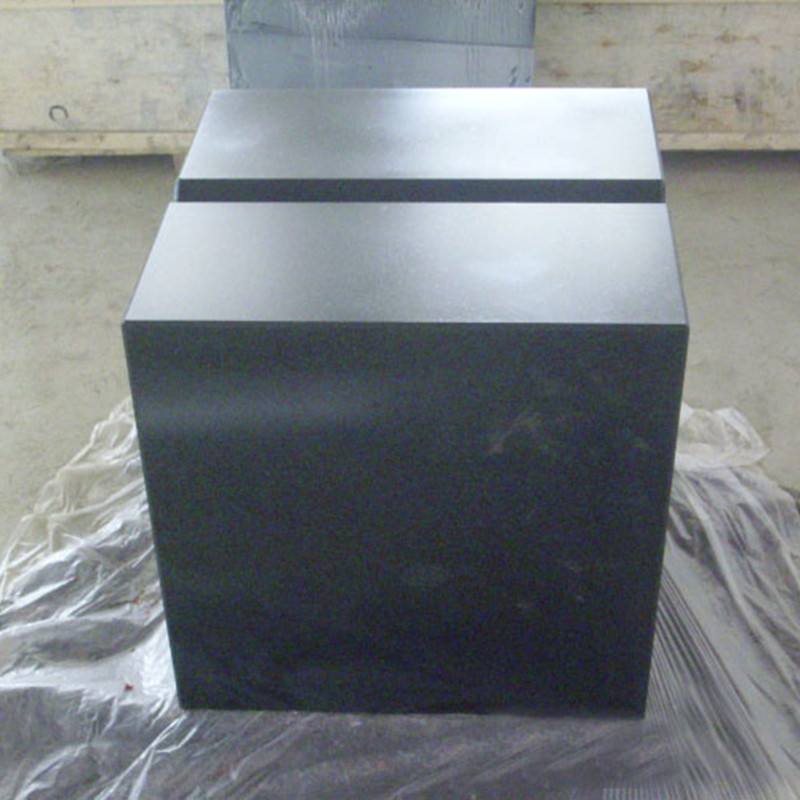
Understanding Surface Plates Precision Tools for Measurement and Machining In the world of manufacturing and engineering, precision is paramount. One of the tools that plays a crucial role in achieving extraordinary precision is the surface plate. Surface plates are flat, often rectangular, structures used as a reference in the mechanical and manufacturing industries. They are primarily made from granite, cast iron, or composite materials and serve as an ideal base for measuring and inspecting workpieces. The Purpose of Surface Plates Surface plates are designed to provide a stable and flat reference surface on which measurements can be taken or machining operations performed. Their primary purpose is to ensure accuracy and repeatability in measurements. When parts are being manufactured, even the smallest deviation from specified dimensions can lead to significant issues in performance and quality. Surface plates help to mitigate these problems by offering a reliable reference point. During inspections, surfaces plates allow engineers and quality control analysts to determine whether a part meets the necessary specifications. Using precision instruments such as micrometers, calipers, and height gauges, technicians can make accurate measurements against the flat, stable surface provided by the plate. This consistent reference is essential in achieving quality assurance in production lines. Types of Surface Plates Surface plates come in various materials, each offering specific advantages and suitability for different applications 1. Granite Surface Plates Granite is the most commonly used material for surface plates due to its natural ability to retain flatness and stability over time. Granite plates are resistant to scratches, wear, and temperature changes, making them perfect for precision work in any environment. 2. Cast Iron Surface Plates Cast iron plates are durable and provide good stability. They can be found in foundries and workshops where heavy machinery is used. However, they are more susceptible to rust and require regular maintenance to keep them functional. 3. Synthetic Surface Plates Made from composite materials, synthetic plates are lightweight and resistant to thermal expansion. They can be a great alternative for specialized applications, where weight savings are critical or where work is performed in non-traditional environments. surface plate Key Features of Surface Plates When selecting a surface plate, several features must be considered to ensure it suits specific needs - Flatness The primary criterion for a surface plate is its flatness. Manufacturers often provide specifications that define the allowable flatness tolerances. The flatter the plate, the more accurate the measurements taken on it will be. - Size Surface plates are available in various sizes. The choice of size depends on the types of workpieces being measured or machined. A larger plate may be required for larger components, while smaller plates can suffice for precise work on smaller items. - Durability Depending on the operational environment, surface plates should be durable enough to withstand the conditions they will face. For instance, a shop exposed to oil, cooling fluids, and heat may call for plates that can resist corrosive materials. - Portability In some applications, the need for portability is essential. Portable surface plates are readily available and often made from lighter materials, allowing for easy transportation between workspaces. Maintenance of Surface Plates To ensure long-term accuracy, surface plates require proper maintenance. Regular cleaning to remove dust, debris, or oil is essential, as any contaminants can affect measurement readings. Additionally, periodic checks for flatness and any signs of wear will help maintain optimal functionality. In conclusion, surface plates are indispensable tools in the realm of precision engineering, providing a reliable reference for measurements and machining. Their contributions extend far beyond simple measurement; they play a pivotal role in ensuring quality and precision across various manufacturing processes. Selecting the right type of surface plate for specific applications can significantly enhance effectiveness, leading to improvements in overall product quality and customer satisfaction.
about
remote controlled frosted glass
Marking Out Tools in Metal Work Marking out is a critical process in metalworking that lays the foundation for precision and accuracy in manufacturing components and assemblies. It refers to the technique of transferring measurements onto a workpiece to guide subsequent operations such as cutting, drilling, and machining. The significance of marking out cannot be overstated, as any mistakes at this stage can lead to wasted materials, time, and effort. This article will explore various marking out tools commonly used in metalworking, their applications, and the importance of precision in the marking out process. 1. Scribes Scribes are one of the primary tools used in marking out. Typically made of hardened steel, scribes produce a fine, precise line on the surface of the metal. They are especially effective for marking on hard materials and can be used in conjunction with other measuring tools to enhance accuracy. When using a scribe, it’s essential to ensure that the surface is clean and free of oxidation to allow for clear markings that are easily visible. 2. Calipers Calipers, including vernier calipers, digital calipers, and dial calipers, are indispensable tools for measuring dimensions accurately. They can be used to measure internal and external dimensions as well as depths. Once measurements are taken, the caliper can also help mark precise locations on the workpiece using a scribe or a marking pen. Digital calipers are particularly favored for their ease of use and ability to provide quick readings, reducing the chance of human error in manual readings. 3. Marking Gauges Marking gauges are used to transfer measurements from a reference edge to the workpiece. They typically consist of a sharp point and an adjustable arm to set the required distance. There are several types of marking gauges, including surface gauges, which are useful for marking lines parallel to a reference surface, and mortise gauges, designed for marking mortises and other specific applications. The use of a marking gauge allows for consistent and accurate depth or width markings. marking out tools in metal work 4. T-Squares and Set Squares T-squares and set squares are essential tools for marking right angles and straight lines. The T-square, with its long horizontal arm and perpendicular vertical arm, is ideally suited for larger workpieces, while set squares are more versatile for smaller applications. These tools are especially important when creating layouts for assemblies where precise angles are critical to the integrity of the final product. 5. Markers and Chalk Line For larger surfaces or when visibility is a concern, markers—such as permanent markers or specialized metal markers—can be employed. Additionally, chalk lines can be used to mark long straight lines over considerable distances. Chalk line tools allow for the creation of straight lines quickly, making them invaluable for setting up layouts in large sheets or sections of metal. 6. Die and Tool Marking For specific applications, die and tool marking techniques can be used. Dies often feature engraved patterns that can be pressed onto the workpiece to create precise outlines or designs. Tool marking is particularly useful in production environments where identical parts are made repeatedly, ensuring consistency across each component. Conclusion In conclusion, the marking out process is an essential step in metal working that helps ensure accuracy and efficiency in manufacturing. The array of tools available—from scribes and calipers to marking gauges and chalk lines—provides metalworkers with the means to achieve precise and reliable layouts for their projects. Understanding the proper use of each tool, along with an appreciation for meticulous measurement, can significantly impact the quality of the finished product. In an industry where precision is paramount, investing time in mastering marking out tools will undoubtedly lead to improved outcomes and greater success in metalworking endeavors.
-

High quality industrial productsagement

High quality industrial products
View Details -

Meet the diverse needs of customers

Meet the diverse needs of customers
View Details -

Strict quality control

Strict quality control
View Details -

Top raw materials

Top raw materials
View Details -

Trusted supplier

Trusted supplier
View Details
Our application

news and information
Water Hose Shutoff Valve for Efficient Water Control and Usage Management
The Importance of a Water Hose Shut-Off Valve When it comes to managing water flow in your garden or

water valve gate
Understanding Water Valve Gates Their Functionality and Importance Water management is critical in v
Vannvalver
Typer Vannventiler Vannventiler er avgjørende komponenter i både husholdninger og industriell infras
 English